
The STAR interview method organises a real example into situation, task, action and result. Choose an event that answers the question, explain your responsibility, describe what you personally did and finish with an outcome you can support. A result need not be a percentage or a perfect success. Prepare factual notes and practise speaking from them, but do not memorise a speech or force every interview question into this structure.
Start with the question, not your favourite story
“Tell me about a time you solved a problem” asks for an event, not a claim that you are good at problem solving. A list of strengths leaves the interviewer without a decision to explore. A long career summary can miss the question just as easily. Identify the behaviour being asked about before selecting the example.
The National Careers Service explains the four STAR elements and recommends concise, conversational examples with room for further questions. This guide applies that basic structure to the harder editorial choices: which event to use, how much context to include and where your own contribution ends.
STAR is useful for questions about past behaviour, such as handling a mistake or coordinating with others. It is not automatically appropriate for availability, salary expectations or why you want the role. Our interview preparation guide covers the wider conversation. Listen for whether the interviewer wants a past example, a present explanation or your approach to a hypothetical problem.
STAR interview method: select an example you can defend
Make a short private list of events from work, study, volunteering or other relevant responsibilities. For each, note the question it could answer, the part you handled and the outcome you actually know. You are choosing evidence of a behaviour, not an impressive organisation name. An ordinary event can be useful when it makes your decisions visible.
Reject an example if someone else did nearly all the meaningful work, if it needs confidential details to make sense or if you cannot remember what happened. A very recent event is not necessarily better than an older one that fits the question. Conversely, do not reach back to a distant school example when you have a clearer relevant professional case.
Check the vacancy for the specific behaviour involved. Coordinating a handover may show careful communication, but it does not necessarily demonstrate staff leadership. Do not relabel the same event to claim every competency. Prepare a small set with different strengths, and choose only after hearing the actual question. If the question is unclear, ask what kind of situation the interviewer has in mind.

Give each part a different job
Draft four brief notes before writing a polished answer. Separate the problem from your responsibility: “The equipment list was incomplete” is context; “I was responsible for checking the handover” is your task. Confusing those two parts can hide whether you were assigned the work, noticed a risk or volunteered to help.
- Situation: explain the setting and the problem the listener needs to understand.
- Task: identify your responsibility and the boundary of your authority.
- Action: describe your decisions, their sequence and why you made them.
- Result: state what happened, what remains uncertain and what you learned.
Give the action enough space to show the work. “I communicated effectively” is a conclusion; “I compared the list with the case and asked the technician to confirm the missing part” describes a decision. Keep background only if it explains that decision. There is no required word count or universal time split for each part.
Use “we” when describing a shared situation or team outcome, then “I” for your contribution. You do not have to pretend you worked alone. If another person approved the solution, say so. That distinction prepares you for questions about authority, collaboration and what you would do differently.
Example one: make a modest contribution visible
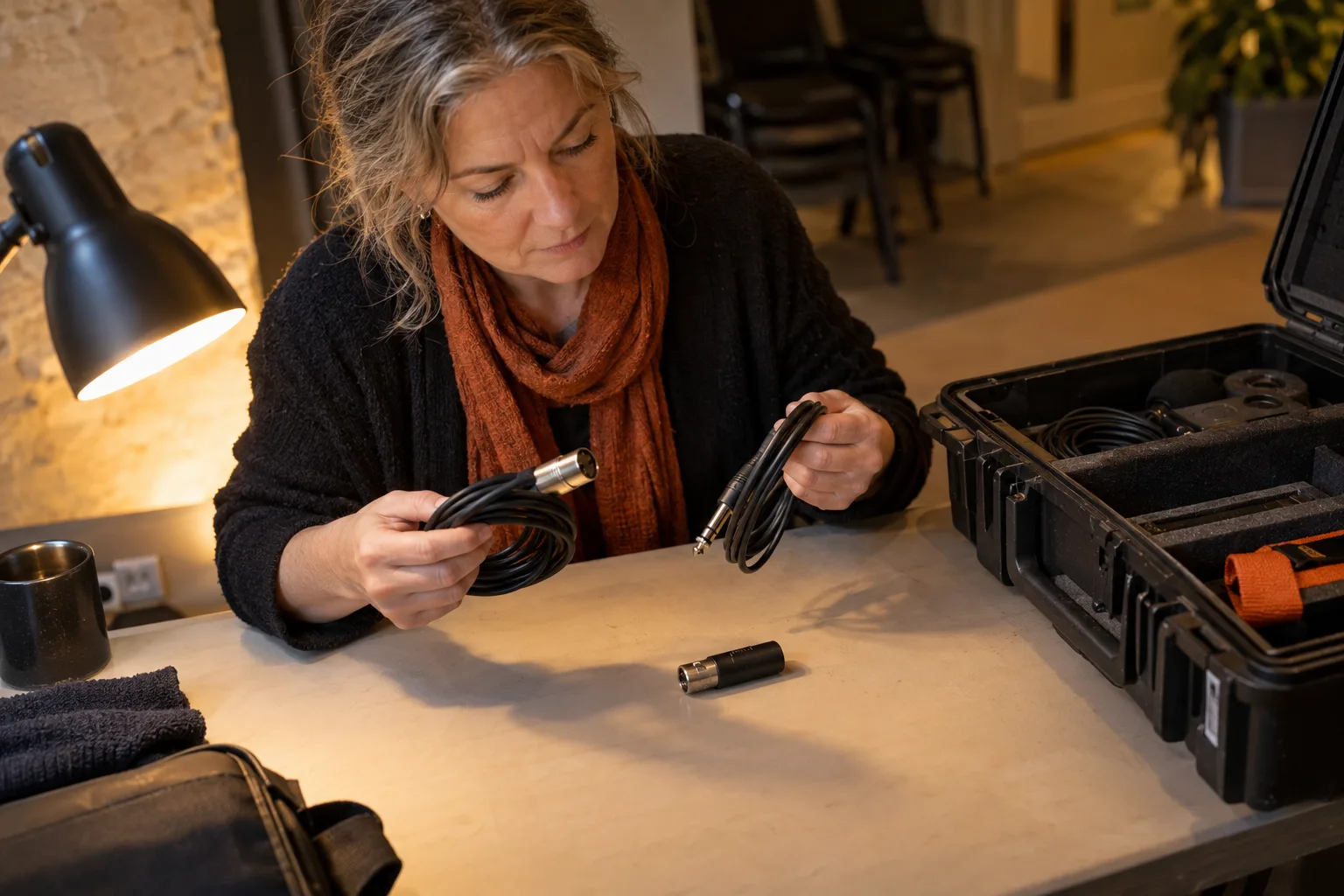
The following is fictional, not a testimonial or a script to borrow. Daniel helped with equipment handovers for a community event. The question is about spotting a problem before passing work to someone else. He checked the packed case, but a technician supplied the missing adapter.
I am proactive and excellent at solving problems. We had an equipment issue, so I took charge and made the whole event a success.
Before a community event, the handover list showed an adapter that was not in the equipment case. My task was to check the case before passing it to the next volunteer. I compared the items with the list, flagged the discrepancy and asked the technician which part was required. The technician supplied it, and I recorded the correction for the handover. The next volunteer received the checked case and an accurate list. I did not assess the event’s overall technical performance.
The second answer makes the decision understandable without claiming that Daniel repaired the system or saved the event. It answers the question through checking and escalation. In a real case he should use his actual task and known result, not add an emergency because the fictional example sounds more exciting.
A useful further question is why he asked the technician rather than selecting an adapter himself. His answer can explain the limits of his knowledge and authority. That is relevant judgement, not a weakness to conceal. An anecdote becomes convincing through explainable detail, not through a larger outcome.

Explain an outcome without manufacturing a metric
A number is useful when it is accurate, relevant and yours to disclose. It is not mandatory. A corrected handover, an agreed next step or a documented decision can be an outcome. Distinguish what you observed from what you inferred. A customer thanking you does not prove increased retention; completing your part does not establish the project’s entire financial impact.
If the outcome was still pending, say so and describe the stage reached. Do not turn “the proposal was submitted” into “the proposal was accepted”. If the outcome was disappointing, state the limitation before explaining what changed in your later practice. Learning is not a substitute for the result; it is an additional part of the account.
Protect confidential names, records and commercial information. Use an understandable general description when it preserves the facts, but do not invent replacement figures. You can explain that you cannot disclose a precise detail. If the case cannot be discussed meaningfully within those limits, choose another one. The interviewer’s curiosity does not make disclosure automatically appropriate.
Example two: discuss a mistake without disguising it
In this fictional study example, Aisha prepared the chart for a group presentation. She selected the wrong spreadsheet columns, and the group had to redo the chart. The question asks about a mistake and what she changed afterwards, not about her greatest success.
There were some problems with our project, but we worked very hard and delivered an excellent presentation. I learned to be more careful.
For a group presentation, I was responsible for preparing a chart from our agreed data table. I selected the wrong columns and noticed the mismatch during the rehearsal. I told the group, corrected the selection and asked a teammate to compare the revised chart with the source table. We had to repeat part of the rehearsal because of my error. For the next assignment, I checked the selected fields against the source before sharing a chart and arranged a separate review.
This version does not invent a grade, an award or a claim that the delay became beneficial. It distinguishes the immediate cost from the later change in working practice. In a real interview, only claim the later review if you actually carried it out; otherwise describe it honestly as a proposed change.
Do not use an example that exposes someone else’s private difficulty to make your own response look better. Take responsibility for your part without absorbing every team error. If asked what you would change, connect your answer to the specific cause rather than reciting an unrelated strength.

Practise from factual notes, not a memorised answer
Tell the story aloud using only the four notes. Ask a trusted person which decision they understood, where your responsibility began and what the result actually was. If they remember only the background, shorten it. If they cannot identify your action, replace an abstract quality with the step you took.
Then practise a question you did not prepare word for word: why that action, what alternatives existed or how the other person responded. You can pause to think. If you discover a detail you cannot remember, check your private records or remove it. Rehearsal should expose uncertainty, not encourage you to fill it with a more polished invention.
Keep your factual examples consistent with the resume version you sent. CVura is our app; you can review your resume with CVura on the App Store if working on a phone helps you maintain that document. It does not verify your story or coach an interview answer. Paper notes and a basic document editor are complete alternatives. Our application organisation guide helps keep the sent version available.
Final check before taking the story into the conversation
Keep preparation notes private and easy to revisit. They are not an extra attachment to send by default. On the day, answer the question you actually hear. If it asks for a different behaviour, select a more suitable event rather than forcing your rehearsed case into it.
Check the answer
- The event happened and fits the question.
- The setting is understandable without excessive background.
- Your responsibility is distinct from the team’s.
- Your action includes a decision, not only a quality.
- The result is supported and its limits remain visible.
- No confidential detail or invented metric is needed.
- You can discuss alternatives and further questions.
- The account agrees with your application documents.
Do not announce each letter mechanically unless that helps you clarify a point. The structure can remain behind the conversation. It helps you explain experience; it cannot guarantee an offer or replace the employer’s assessment.
Frequently asked questions
Should every answer use STAR?
No. Use it when a question asks for a past example. Availability, motivation and a hypothetical technical problem may need a different kind of answer.
What if I have no formal work experience?
Choose a relevant study, volunteering or other responsibility and name that context honestly. Do not present a group assignment as paid employment.
Do I need a measurable result?
Only use numbers you can support and disclose. A verified correction or agreed handover can be a useful result without a percentage.
Can I use an example that did not end well?
Yes, if it fits the question. Explain your part, the actual outcome and any later change you really made. Do not rewrite the failure as an unqualified success.
Should I memorise the finished paragraph?
Prepare the facts and sequence, then practise explaining them in different words. Leave room to listen and answer questions rather than trying to recite a script.