
To confirm an interview invitation, first read the instructions for replying or booking. Confirm your attendance using the actual date, time and interview format. Complete any required booking step rather than replacing it with an unrelated message. If important details conflict, ask a precise question before treating one version as agreed. A clear reply coordinates an appointment; it is not an acceptance of a job offer.
Read the invitation before drafting the reply
An invitation may contain more than an appointment suggestion. You might need to choose an available slot, respond to a named contact or complete a booking before a stated deadline. Read the whole message, including instructions beneath the signature. A calendar attachment is useful information, but accepting it does not necessarily complete a separate response step requested in the invitation.
The Robert Gordon University explains its own slot booking and confirmation process. This illustrates why the instructions for the particular recruitment process matter. The examples below are fictional editorial suggestions, not a standard required by every employer. There is no universal response deadline stated in this guide; follow the actual instructions you receive.
Identify the organisation, role and person arranging the interview. If several applications are active, similar subject lines can easily be confused. Check that you are responding to the intended process. Our interview preparation guide covers preparing for the conversation itself. This article deals with the separate task of establishing a clear appointment.
Confirm an interview invitation through the requested channel
A booking and an acknowledgement are different actions. If you are asked to select a slot in a portal, complete that process and check the result. Look for a clear status or confirmation rather than assuming that a page change means the appointment is booked. Writing a separate message cannot reliably replace an unfinished booking step. Equally, do not create another booking simply because the first confirmation is not immediately obvious.
If the invitation asks you to reply in the existing conversation, use that route. You do not need to invent an additional channel unless an instruction or a practical problem makes it necessary. A message sent to an address that does not accept replies may never reach the organiser. Read any instructions explaining how to contact the recruiting team instead of relying only on the visible sender name.
After selecting a slot, check which role and organisation the confirmation names. An automatic message for another application does not settle this appointment. Save the final information with the invitation. If the status remains unclear, describe what you completed and ask the named contact whether anything else is required. That is more useful than silently repeating the process and possibly creating conflicting arrangements.
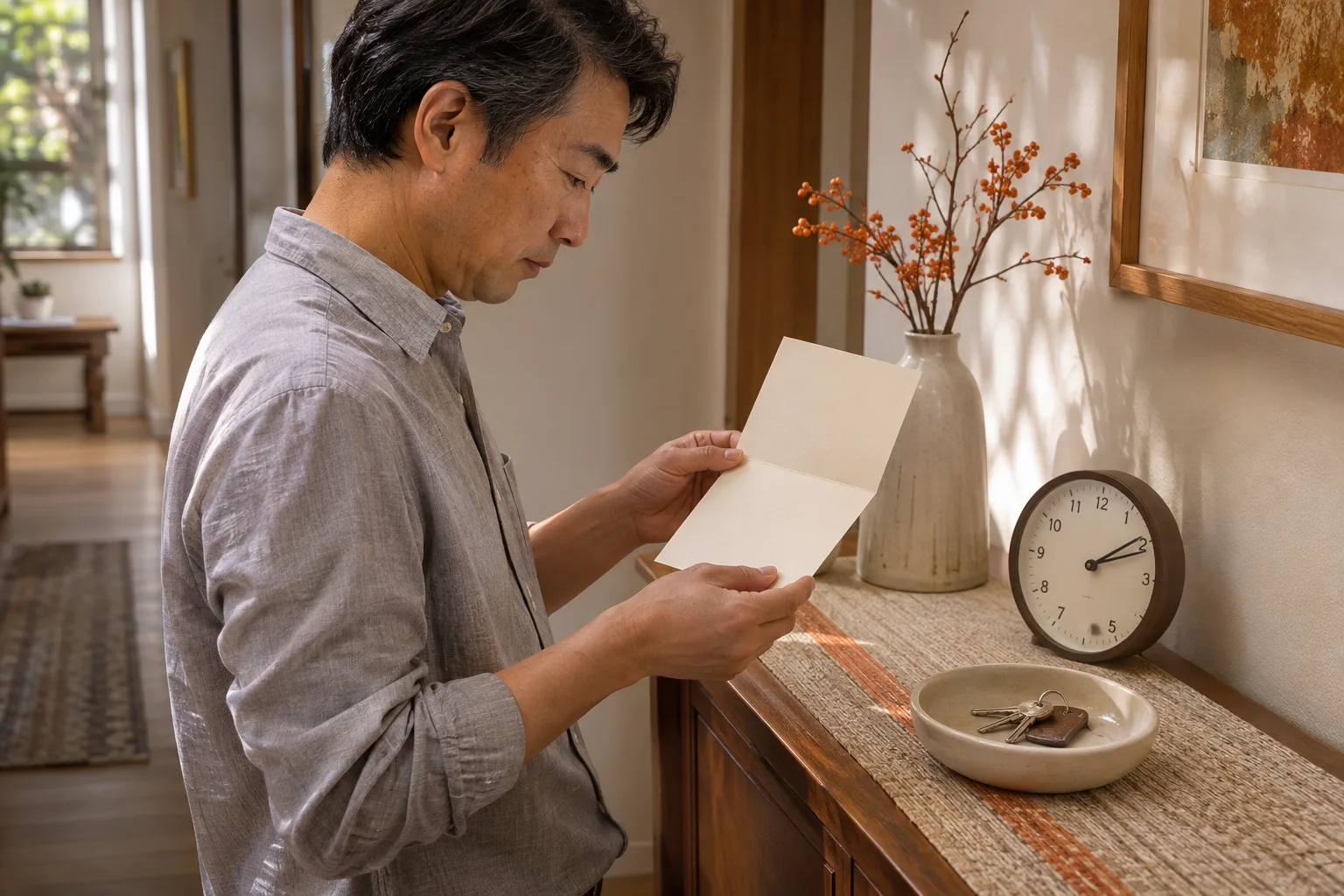
Include the details that make the agreement unambiguous
Thank the organiser briefly, identify the interview and confirm attendance. Repeat the actual date and time. For an interview in person, a brief reference to the stated location may help establish that you have understood the arrangement. For a video interview, identify the format when the access instructions are already clear. Do not distribute private joining links or access codes to people who do not need them.
A role title or existing reference can distinguish several recruitment processes. You usually do not need to repeat the entire application or write a second motivation statement. The practical question is whether the invited person can attend the specified interview and whether both sides mean the same appointment. Keep that purpose visible rather than surrounding it with broad claims about your suitability.
Use a suitable greeting and a clear subject. Replying in the existing thread often keeps the context together. Do not replace an informative subject with a generic application heading if that makes the scheduling exchange harder to find. Start a new message when the instructions request one or when the original channel cannot receive the response. Check the recipient before including any application information.
Worked example: accepting a clear appointment
This situation is fictional. A candidate receives an invitation for 10 November 2026 at 10am at the location specified in the message. The organiser asks for a reply to confirm attendance. The candidate can attend, and the date, time and place agree across the invitation. There is no need to invent an extra question simply to make the reply longer.
Before: understandable now, unclear later
“Thanks, that works. See you next week!”
After: a specific arrangement
“Thank you for inviting me to interview for the administrative assistant position. I am pleased to confirm that I can attend on 10 November 2026 at 10am at the location given in your invitation. I look forward to speaking with you. Kind regards, …”
The revised message remains understandable when read later. The recipient does not have to reconstruct what “next week” meant. It also avoids adding unnecessary personal information or implying that the interview has already secured the job. Borrow the structure for your own reply, but replace every detail with the actual agreement. A fictional sample is not an appointment you should copy into your calendar.

Worked example: clarify two different times
In this second fictional situation, the message says 10am but the attached calendar entry says 11am. The candidate is available at either time, yet does not know which time the organiser intends. Availability does not resolve the discrepancy. An unconditional confirmation could allow each side to continue planning around a different understanding.
Before: the discrepancy survives
“I confirm the interview and will arrive at 10 or 11.”
After: one question identifies the problem
“Thank you for the invitation. I would be pleased to attend. The message gives the interview time as 10am, while the calendar entry shows 11am. Could you please confirm which time is intended? I will update my calendar with the confirmed arrangement.”
The candidate describes the two sources without guessing why they differ. Until the organiser clarifies the time, neither assumption becomes the final agreement. When the answer arrives, compare it with the existing information and retain the latest confirmed version. If you cannot attend the clarified time, say that plainly rather than allowing a conditional expression of interest to look like an unconditional commitment.

Ask about the information that actually prevents planning
If a video link is missing, first check whether the invitation says it will be sent later. You may be able to confirm attendance while recognising that the joining information is still outstanding. Keep the two issues separate. When access information is needed and has not arrived, ask the named contact a specific question rather than assuming a platform or using an unrelated link from another process.
For interviews involving different time zones, do not silently reinterpret the time. Check the zone explicitly stated and ask if it is missing or ambiguous. A calendar may display a converted time according to your device settings. That display needs to match the actual agreement. An apparently plausible calendar entry is not evidence that the organiser has approved an assumption you never discussed.
Ask for the detail that blocks your next step: the building, entrance, time zone or joining method. A focused question is easier to answer than a request to resend everything. If you clarify by phone, repeat your understanding before ending the call and make a note afterwards. Your note records what you understood; it does not confirm other assumptions that were not part of the conversation.

Keep a final arrangement separate from a pending question
When organising applications, distinguish a proposed appointment, a completed booking and a confirmed arrangement. Record the latest reliable information rather than treating an unanswered question as settled. Keep the invitation and subsequent clarification together so that you do not have to reconstruct the appointment from several disconnected versions when preparing to attend.
Check for later messages before the interview. Confirming once does not make subsequent changes irrelevant. If a new time or location is proposed, read what response is requested and update your record only when you understand the current arrangement. Avoid leaving both an old and a new entry in your calendar without a clear indication of which one applies.
Bring documents according to the invitation. Our application documents guide explains the wider selection of material. A short confirmation does not automatically require every certificate and resume version as an attachment. Limit unnecessary sharing. An ordinary mail client and calendar are enough for this coordination; a particular additional app is not a prerequisite.
Review the reply against the invitation before sending
Compare the recipient, organisation, role, date, time and interview format with the actual invitation. Remove details left behind from an older template. If a booking step was required, check that it was completed. Read a clarification question from the organiser's perspective: is it clear which information conflicts and what answer you need? Keep the reply short enough for that question to remain visible.
Final confirmation review
- The organisation and position are correct.
- The date and time are explicit.
- Any necessary time zone is clear.
- The location or format matches the invitation.
- The required booking step is complete.
- Outstanding questions remain explicit.
- No old sample details remain.
- The final information can be found again.
An interview confirmation coordinates a conversation, not a job offer. It does not replace preparation or settle an unanswered practical question. If you discover that you cannot attend, contact the organiser through the stated route rather than sending a confirmation you expect to break. Accurate coordination is a useful next step, but it does not guarantee any particular recruiting decision.
Frequently asked questions
How quickly should I confirm?
Follow an explicit deadline and respond when you can reliably check attendance. This guide does not impose a universal number of hours. If instructions are unclear and the appointment is close, clarify the required response with the contact named in the invitation.
Does choosing a portal slot count as confirmation?
Check the instructions and the resulting status. Complete a required booking rather than replacing it with a message. A second response is not automatically required when the process already confirms the appointment.
What if the invitation shows two times?
Identify both details and ask which time is intended. Do not treat your guess as confirmed. After clarification, keep the latest reliable arrangement in your calendar.
Can I accept before receiving the video link?
You can confirm attendance when the date and time are agreed, especially if a later link is announced. Keep the outstanding access question separate and ask the named contact when that information is needed.
Should I attach my resume again?
Only when requested or needed for an explicitly clarified purpose. A confirmation does not automatically need all application documents. Read the invitation and avoid unnecessary sharing of personal information.